
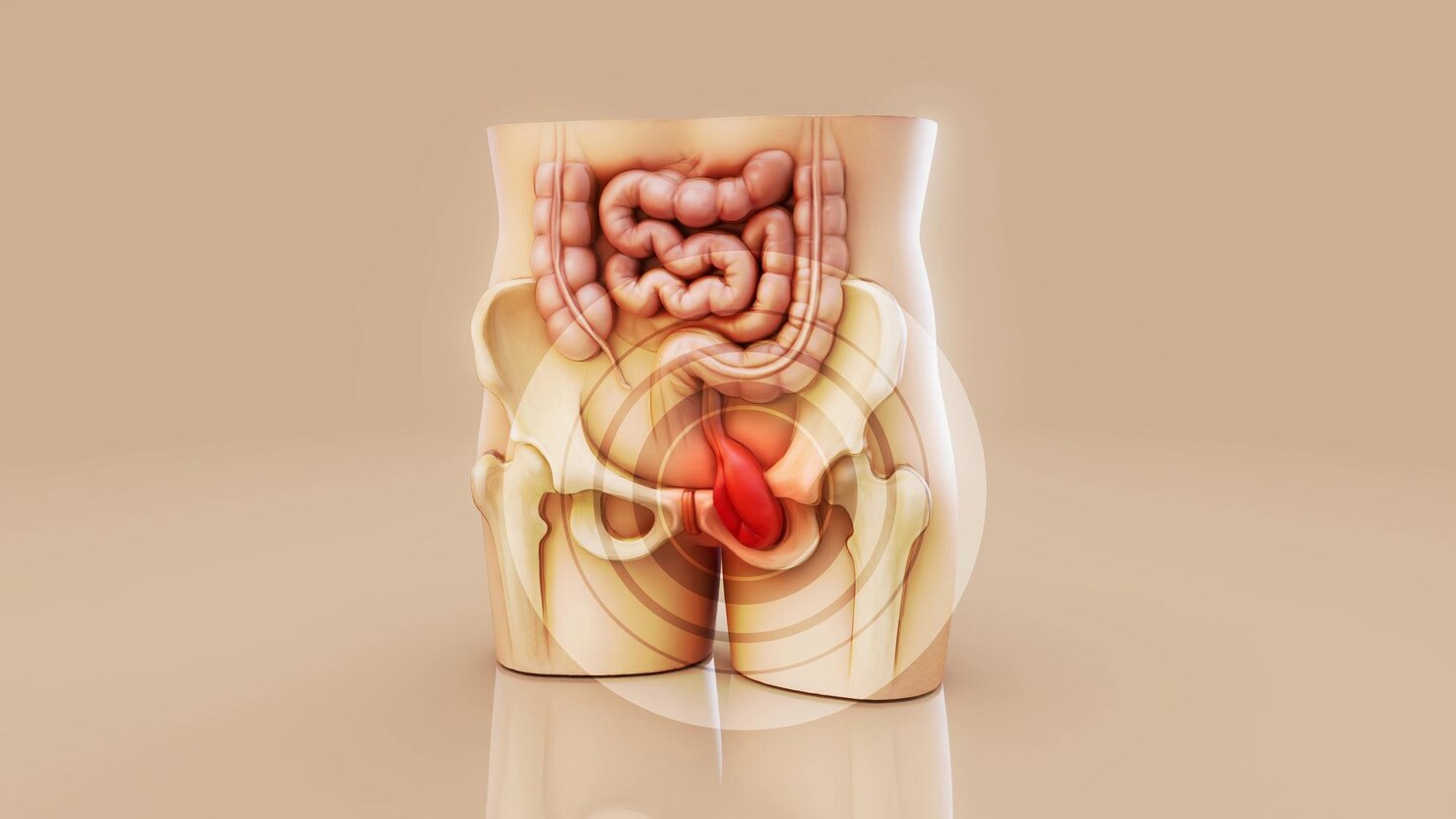
A hernia occurs when an organ or fatty tissue pushes through a weak spot in the abdominal wall, most often appearing as a bulge in the groin, around the navel, or at the site of a previous surgical scar. Hernias do not heal on their own, and surgical repair — increasingly by keyhole surgery — is the only definitive treatment.
Recognising the Symptoms
- A visible bulge in the groin, abdomen or around the navel, often more noticeable on standing, coughing or straining
- Aching, dragging or burning discomfort at the site of the bulge
- Pain or discomfort when lifting, bending or exercising
- A bulge that cannot be pushed back in, or that becomes hard and tender — this needs urgent medical attention
- Severe pain with nausea or vomiting, or an inability to pass stool or gas — a medical emergency
Diagnosis
Most hernias are diagnosed on clinical examination. Ultrasound or CT imaging may be used when the diagnosis is uncertain, the hernia is small or deep, or the hernia is large or recurrent, so that the repair can be planned accurately.
Treatment Options
Repair is by surgery, which is generally advised for hernias that cause symptoms or carry a risk of complications; careful observation may be reasonable for small, painless hernias in selected patients. The contents are returned to the abdomen and the defect is reinforced, usually with a mesh, using either a laparoscopic (keyhole) or open technique. Keyhole repair typically means smaller incisions, less pain and a quicker return to routine activity, and the best approach depends on the type and size of the hernia and on the overall health of the patient.
Why Choose Dr. Abhishek Mitra
- MS in General Surgery and DNB in GI Surgery (Sir Ganga Ram Hospital, New Delhi), with a postdoctoral (HBNI) fellowship from Tata Memorial Hospital, Mumbai
- Advanced laparoscopic surgery expertise, offering minimally invasive repair wherever clinically appropriate
- Choice of open or laparoscopic repair individualised to the type and size of the hernia and your overall health
- Evidence-based and ethical clinical practice, with a clear explanation of every treatment option
Conclusion
Early evaluation and timely repair make a significant difference in outcomes for Hernia. If you or a family member have noticed a bulge or been advised to consider treatment, a detailed evaluation can help determine the most appropriate course of care for your situation.
Concerned About a Hernia?
Book a consultation with Dr. Abhishek Mitra for a thorough evaluation.