Tobacco is responsible for 8 million deaths per year. This is more relevant during the COVID-19 pandemic, since smokers are at a risk of developing severe COVID-related illness. Tobacco affects our body adversely and harms our digestive system in a number of ways. Smoking increases the risk of gastroesophageal reflux disease (GERD), peptic ulcer disease, damage to the pancreas and liver, Crohn's disease and gallstones. Smoking increases the risk of various cancers of the digestive system like esophagus, stomach, pancreas and colorectal cancer.
Tobacco and Gastroesophageal Reflux Disease
Smoking leads to a decrease in the pressure of the lower esophageal sphincter. This leads to an increase in the reflux of gastric contents into the esophagus, contributing to heartburn and GERD. The consequences of these repeated and prolonged episodes of reflux can damage the inner lining of the esophagus and increase the risk of esophageal cancer.
Tobacco doesn't damage just one organ — it quietly raises the risk across the entire digestive tract, from the esophagus down to the pancreas.
Tobacco and Peptic Ulcer
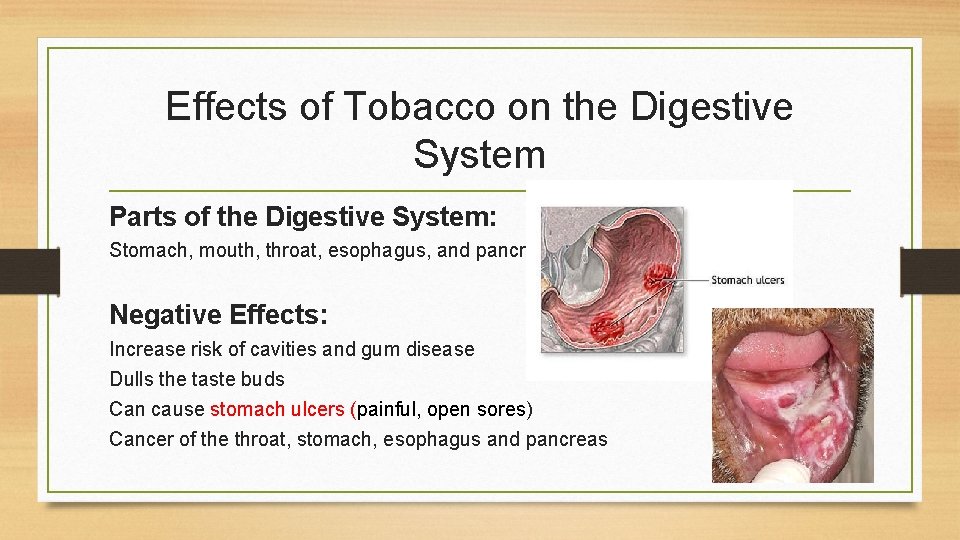
Smoking stimulates acid secretion from the stomach and attenuates the defense mechanisms like decrease in blood flow, mucus and bicarbonate production. Smokers also have a higher chance of developing Helicobacter Pylori infection, which by itself is a cause for peptic ulcer disease. The combination of these factors increases the risk of peptic ulcer in smokers.
Tobacco and Liver
Smoking impairs the ability of the liver to carry out important bodily functions like protein and bile formation and processing of toxic metabolites. Smoking compounds alcohol-related damage, and worsens conditions like primary biliary cirrhosis and non-alcoholic fatty liver disease.
Tobacco and Crohn's Disease
Smoking increases the risk of developing Crohn's disease, a chronic inflammatory bowel disease which mainly affects the small intestine, though it can involve any part of the gastrointestinal tract. This disease impairs quality of life and can lead to potentially life-threatening complications like intestinal obstruction and fistulae. The mechanisms behind the increased risk of Crohn's disease in smokers are still not fully understood.
Tobacco and Pancreatitis
Smoking is an independent risk factor for the development of acute pancreatitis, and also exacerbates alcohol-related pancreatic damage. Pancreatitis is a potentially life-threatening inflammation of the pancreas, which can lead to autodigestion of the pancreas by activated pancreatic enzymes.
Tobacco, Gallstones and Gastrointestinal Cancers
Smoking has also now been associated with an increase in the risk of developing gallstones, though more research is needed to fully understand this relationship. Smoking also increases the risk of developing various gastrointestinal cancers like cancer of the esophagus, stomach, pancreas, colon, rectum and anal canal.
Impact of Tobacco Cessation on the Digestive System
The effect of quitting tobacco is variable. The effects seen in the stomach and liver are reversed in a short time span. Smokers who quit are likely to have milder symptoms and a lesser chance of recurrence of Crohn's disease. However, the risk of developing pancreatitis remains elevated even after tobacco cessation. The theme of World No Tobacco Day this year is “Commit to Quit” — everyone using tobacco in any form should pledge to quit and remove this menace from the face of the earth.
Concerned About Tobacco-Related Digestive Symptoms?
Book a consultation with Dr. Abhishek Mitra for a thorough evaluation.

Dr. Abhishek Mitra
Gastrointestinal & HPB Surgical Oncologist
Senior Consultant with a postdoctoral (HBNI) fellowship from Tata Memorial Hospital, Mumbai, specialising in GI & HPB cancers and minimally invasive surgery.
View Full Profile